Parking Automation Systems
Access with HGS/OGS toll tags, ticket and payment stations, parking space guidance, signaling and one-way spike traps. A turnkey service including site survey, installation, software and technical service.
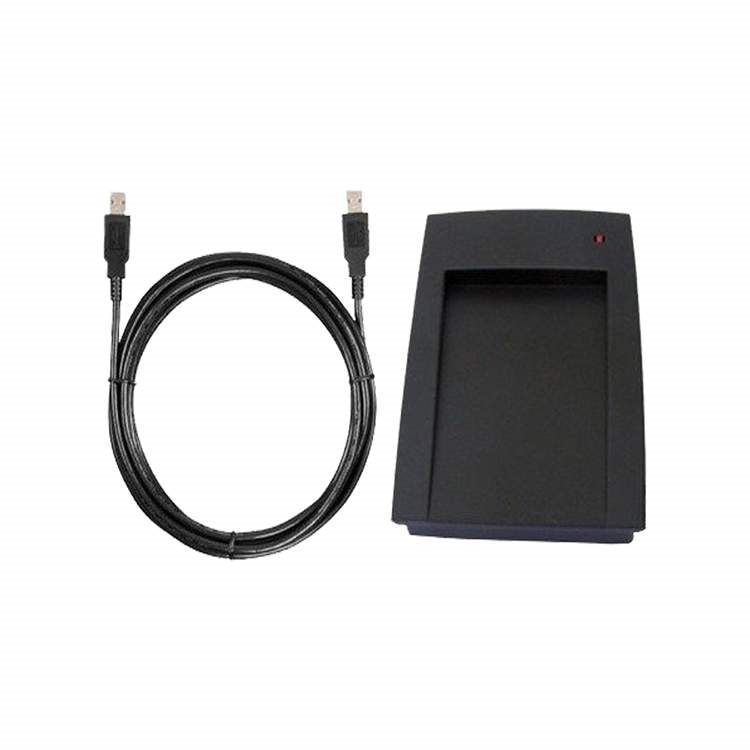
HGS / OGS Access Systems
An access system that reads the vehicle's HGS toll tag and opens the barrier automatically.
View and get a quote →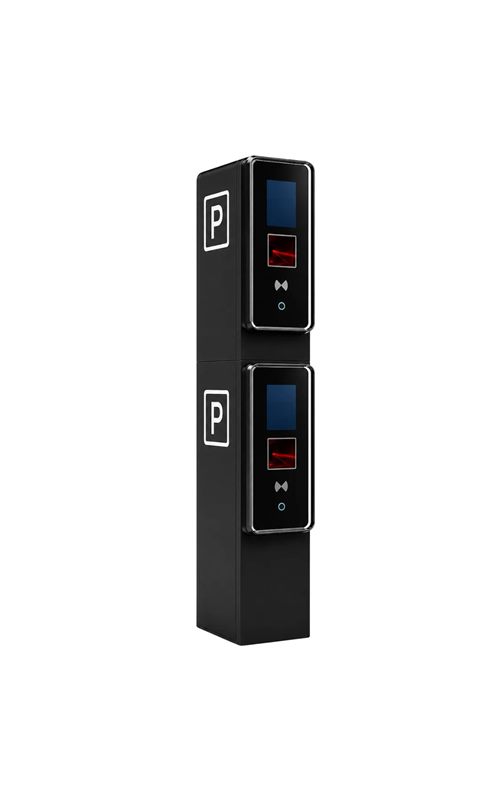
Parking Ticket and Payment Systems
Ticket dispensers, payment stations and software for paid car parks.
View and get a quote →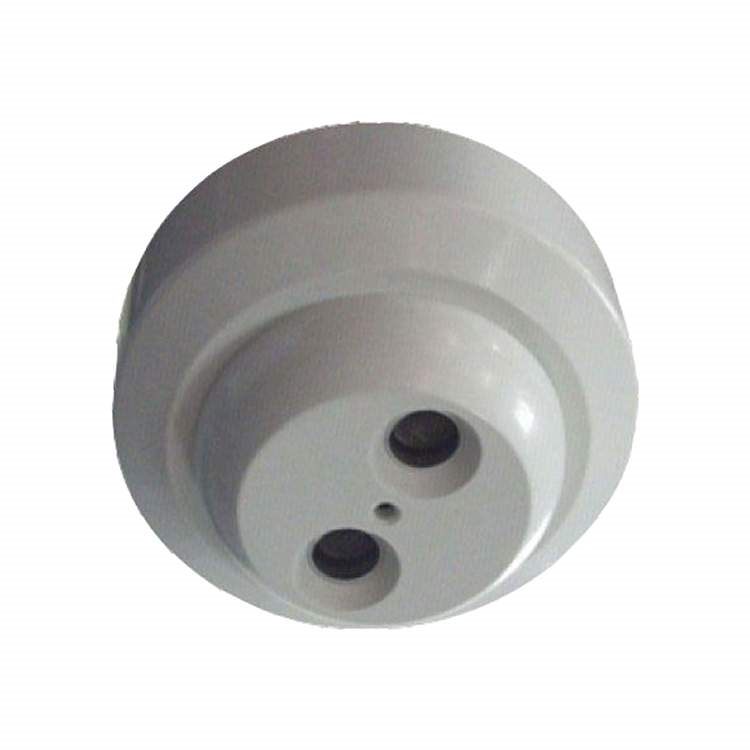
Parking Space Occupancy Indicator Systems
A sensor-based system that shows free parking spaces and guides drivers.
View and get a quote →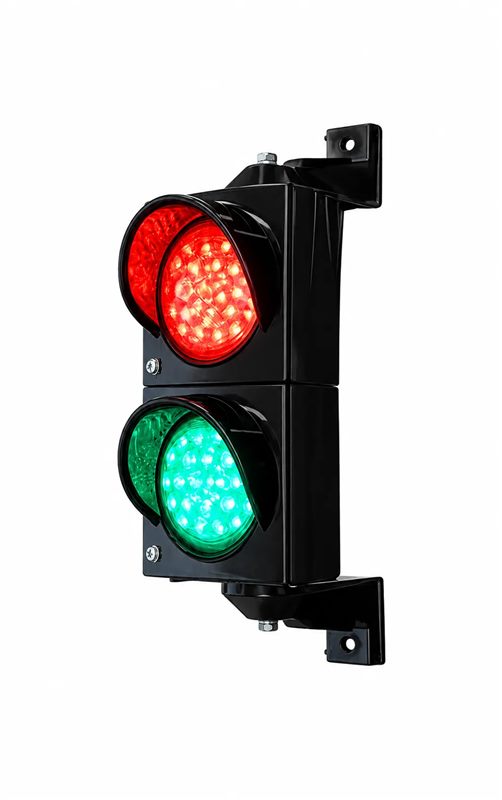
Traffic Lights and Signaling
Red-green LED traffic lights for car park ramps and entrances.
View and get a quote →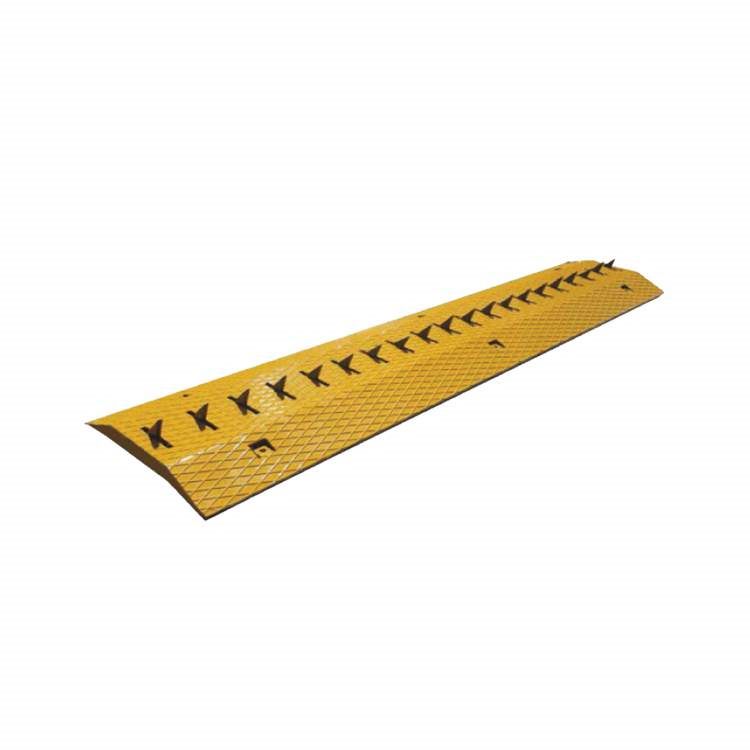
Tire Spike Trap (One-Way Trap)
Hydraulic and fixed spike traps that prevent vehicles from entering in the wrong direction.
View and get a quote →What Are Parking Automation Systems?
Parking automation systems are the combination of hardware and software that manages the entire process in a car park, from vehicle entry to exit, with minimal human intervention. They determine which vehicle is let in, how the fee is collected, how the driver is guided to a free space, how traffic on ramps is regulated and how wrong-way entries are prevented. Every car park has different needs: in a residential complex, fast passage for registered vehicles alone may be enough, while a shopping mall car park needs ticketing, payment and parking guidance together. In this guide, we compare the solutions in this category and summarize which one suits which scenario.
How Does the System Work? Core Components
Parking automation usually consists of three layers. The detection layer includes loop detectors, UHF antennas, ticket and card readers and parking space sensors. In the decision layer, control panels and parking software evaluate incoming information according to permission, tariff and scenario rules. The guidance and physical control layer contains barriers, traffic lights, LED displays and tire spike traps. A good project designs these layers to communicate with each other; for example, the exit barrier does not open until payment is made, and the opposite light turns red while a vehicle is on the ramp.
Comparison of the Solutions in This Category
| System | What it does | Typical application |
|---|---|---|
| HGS / OGS access system | Automatic passage for registered vehicles by reading the vehicle's tag | Car parks of residential complexes, factories, institutions and staff |
| Ticket and payment systems | Ticket at entry, time calculation and payment at exit | Shopping malls, hospitals, hotels and paid car parks |
| Parking space occupancy system | Detecting free spaces and guiding the driver | Multi-storey indoor car parks |
| Traffic lights and signaling | Regulating flow on ramps and roads with lights | Single-lane ramps, loading areas, internal site roads |
| Tire spike trap | Physically preventing wrong-way entry | Car park exits, secured facility entrances |
Access control: HGS or tickets?
In car parks with known, regular users, the HGS OGS access system is the most practical solution; the driver passes without stopping and the system only reads the tag ID. In visitor-heavy and paid car parks, parking ticket and payment systems are needed. Many projects use both: subscribers pass with a card or tag, visitors with a ticket.
Guidance and safety inside the car park
As the number of spaces grows, it becomes harder for drivers to find a free spot; this is where a parking space occupancy system reduces traffic inside the car park. On single-lane ramps, traffic lights and signaling prevent oncoming vehicles from meeting on the ramp. To stop vehicles entering through exit lanes, a tire spike trap is used.
Sample scenarios
Residential complexes and residences: A barrier, HGS tag access and license plate recognition for guests are often sufficient; if the indoor car park has a single-lane ramp, a traffic light is added.
Shopping malls and hospitals: Ticket and payment kiosks for visitors, tag access for staff, space guidance on multi-storey levels and spike traps on exit lanes are used together.
Factories and logistics facilities: Tag access for staff and shuttle vehicles, signaling in loading areas and hydraulic spike traps at entrances and exits requiring security are preferred.
Private paid car parks: A ticket dispenser, central pay station or kiosk works together with subscriber cards; if there is a valet service, a mobile handheld terminal is included in the process.
How to Choose a Parking Automation System
- Define the user profile of the car park: registered vehicles, visitors or mixed.
- Decide whether a fee will be charged.
- List the number of entry and exit lanes, the ramp layout and the number of levels.
- Assess the daily number of vehicles and peak-hour queues.
- Check whether the existing barrier and cabling infrastructure can be reused.
- Write down your reporting, subscriber management and remote monitoring needs.
- Plan whether to install the systems all at once or in phases.
Installation Process
The process starts with a site survey, which we carry out free of charge within Istanbul. Lanes, ramps, power and data lines are examined on site; a requirements list and layout plan are prepared. Then groundwork, loop and cable channels are completed, devices are mounted, and control panels and software are configured. All systems are tested together, scenarios are verified and operating staff are trained. The installation scope is defined separately for each project, and all products can be shipped to all 81 provinces of Turkey.
What Determines Parking Automation Prices?
- Number of selected systems and their level of integration
- Number of lanes, levels and parking spaces
- Type and number of payment points
- Software scope and reporting needs
- Floor cutting, cabling and construction preparation
- Reusability of the existing infrastructure
Contact Us for Your Project
Perpa Trafik sells, installs and services parking automation systems at Perpa Ticaret Merkezi (Şişli), Istanbul. With over 25 years of field experience, we work with you to define the right system combination for your car park. You can fill in the quote form or send us your car park's lane and level details via WhatsApp.
Other security systems
Frequently asked questions about parking automation systems
How does HGS open a barrier?
A UHF reader placed at the barrier entrance reads the HGS tag in the vehicle; if the tag is on the authorized list, the control panel opens the barrier.
Does every vehicle need an HGS tag?
Vehicles without an HGS tag can be given a separate UHF windscreen tag, or the system can be used together with license plate recognition.
Is a fee deducted from my HGS balance?
No. The system reads only the tag's ID; it does not make any transaction with your HGS account.
Can the tag be read on vehicles with metallized window film?
Some window films with metal content can weaken the UHF signal. For such vehicles, it is recommended to stick the tag on an area of the windscreen without film or to use a screw-mounted license plate tag.
Get a price quote
Send us the number of doors / passages, number of staff and your address, and we will call you for a site survey and quote.